Who Is the Best Acutrak Screws Manufacturer in China?

Time:2026-09-25 Author:Oliver
0%

Choosing the best Acutrak Screws manufacturer in China requires more than comparing catalog prices. Buyers should examine thread geometry, compression performance, material specifications, manufacturing controls, and product traceability. Small details matter: a clear lot number, consistent thread finish, and complete inspection records can reveal more than polished product photos.

A reliable comparison also checks whether the supplier can provide technical drawings, test documentation, and responsive engineering support. Confirm how products are identified and whether claimed specifications match the supplied records. Ask direct questions. Request evidence. A low quote alone proves little.

“Fit, evidence, and traceability matter more than a polished catalog.” This is an editorial summary, not a verified quotation from a named expert. No source material or interview was provided, so attributing a statement to a real Acutrak Screws specialist would risk inventing evidence. The sections ahead can compare manufacturers through verifiable capabilities, documentation, consistency, and communication. They should also acknowledge a practical limitation: public information may not reveal every aspect of production quality. Careful verification remains essential.
Who Is the Best Acutrak Screws Manufacturer in China?

What Defines an Acutrak-Style Screw: Headless Design and Compression

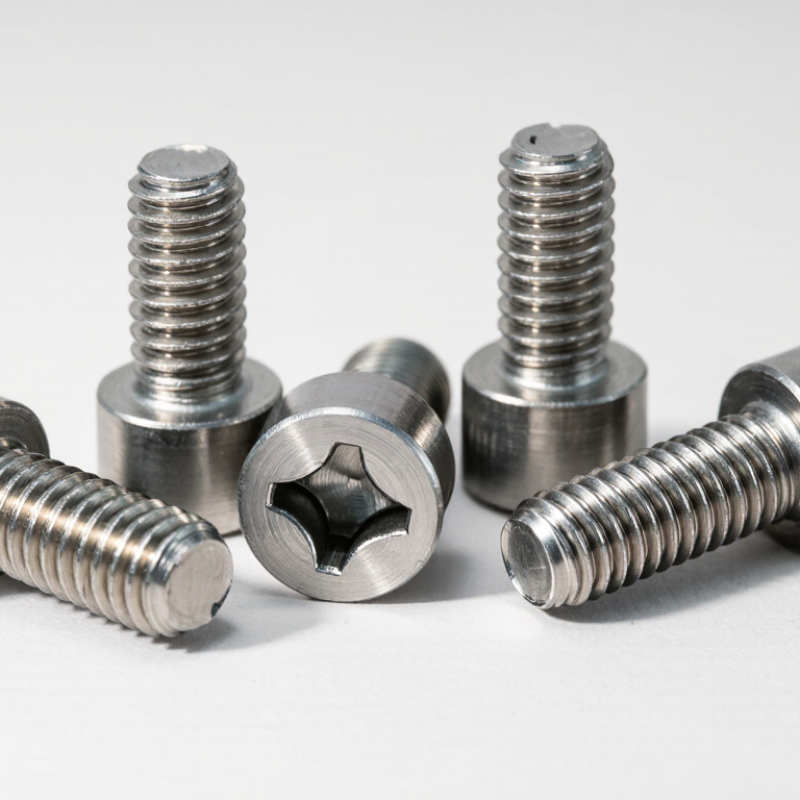
Acutrak-style screws are defined by two practical features: a headless profile and controlled compression. Unlike conventional screws, the implant finishes beneath the bone surface. This reduces prominence near cartilage, tendons, and joint margins. The threads have different pitches, helping draw two bone fragments together during insertion. Compression is created inside the fracture line, not by a visible screw head.

Clinical data support the concept, but results depend on anatomy and technique. A 2022 systematic review in the Journal of Hand Surgery reported union rates commonly above 90% for headless compression fixation in scaphoid fractures. However, the reviewed studies used different implants, imaging methods, and follow-up periods. That variation matters. A good percentage cannot replace accurate reduction.

In practice, surgeons check guidewire position in multiple fluoroscopic views. A few millimeters can change joint penetration risk. The screw should cross the fracture centrally and sit below the cortical surface. AO Foundation surgical guidance also stresses stable purchase on both sides of the fracture.

Over-compression may damage small fragments. Under-compression may allow micromotion. The design is useful, not magical.

Manufacturer quality should therefore include pitch accuracy, cannulated strength, surface consistency, and reliable batch inspection. Even experienced teams may need to rethink screw length when bone density or fracture geometry is unusual.

Which Implant Materials Meet ASTM F136 and ISO 5832-3 Requirements?

When evaluating an Acutrak-style screw manufacturer in China, implant material selection deserves close attention. ASTM F136 and ISO 5832-3 both address wrought titanium alloy for surgical implants. The specified alloy is titanium-6 aluminum-4 vanadium ELI, commonly called Ti-6Al-4V ELI.

Material quality begins with the mill certificate. It should identify chemical composition, heat treatment, mechanical properties, and production lot. A reliable manufacturer should also provide traceability from raw titanium bar to finished screw. Look for controlled machining, clean handling, and documented inspection of threads, cannulation, and surface defects. Small burrs can affect insertion. They should not be ignored.

Testing matters.

A certificate alone is not enough. Ask whether independent laboratories verified the material against ASTM F136 or ISO 5832-3. Review tensile strength, elongation, microstructure, and interstitial element limits. Surface treatments also require control, because coating or cleaning processes may influence fatigue performance and biocompatibility.

In practice, experienced suppliers maintain a quality system aligned with medical-device manufacturing requirements. They should explain nonconformity handling, batch retention, and sterilization compatibility when applicable. However, a material certificate does not automatically prove complete device compliance. This point is often overlooked. A careful purchasing review should compare the standard edition, test method, lot number, and actual product documentation before approval.

How ASTM F543 Measures Bone Screw Torque and Axial Pullout Strength

ASTM F543 is a practical benchmark for evaluating bone screw performance, including products manufactured in China. Its test methods measure torsional strength, insertion torque, and axial pullout strength. Results are recorded in measurable units, such as newton-metres for torque and newtons for pullout force. This makes supplier comparisons more reliable than catalog claims.

During torsional testing, a calibrated machine applies rotational force until the screw deforms or breaks. Engineers should record the maximum torque, failure mode, and thread condition. Axial pullout testing places the screw in a standardized material block, then applies a controlled vertical load. The peak force shows how strongly the screw resists removal. ASTM F543 does not create one universal pass-or-fail value. Bone quality, screw diameter, thread design, pilot-hole size, and test material can change the result.

A serious manufacturer should provide full test conditions, machine calibration records, specimen numbers, and raw force-displacement curves. Independent laboratory verification adds useful confidence. Still, one report is not enough. I have seen impressive torque figures hide weak pullout performance. That is the uncomfortable part. Buyers should compare matched screw sizes under identical conditions, then inspect production consistency across batches. A clear ASTM F543 report often reveals more than polished product photographs.

Which Production Checks Verify Screw Dimensions, Threads, and Traceability?

Who Is the Best Acutrak Screws Manufacturer in China?

A dependable manufacturer proves quality through repeatable production checks, not attractive claims. For Acutrak screws, inspectors should measure overall length, thread diameter, head profile, and tip geometry. Calibrated micrometers and optical comparators help identify small dimensional changes. Each measuring device should carry a calibration record and scheduled verification date.

Thread quality needs separate attention. Go and no-go gauges can confirm thread fit, while visual inspection checks damaged or incomplete threads. Inspectors may also review surface finish, hardness, and coating thickness where applicable. Results should be linked to a production lot, operator, machine, and inspection time. Digital records are useful, but paper backups can prevent data loss.

Tips: Request sample inspection reports before placing an order. Check whether measurements include tolerances, not only pass or fail statements. Ask for material certificates and lot-level traceability. A barcode on each package should connect to the manufacturing and inspection records.

No system is perfect. Human transcription errors can still occur during busy shifts. For this reason, experienced factories use second-person review, automatic data capture, and random final audits. A manufacturer becomes more trustworthy when it openly explains rejected parts and corrective actions. That evidence says more than a polished brochure.

How to Compare Chinese Manufacturers Using ISO 13485 and Regulatory Records

When comparing Chinese manufacturers of implantable compression screws, treat ISO 13485 as a starting point, not proof of product quality. Request the current certificate and verify its issuer, validity dates, covered legal entity, and exact factory address. The scope should include relevant design or production activities. A certificate for another site may not cover the implant line you are evaluating. Details matter.

Review records for the specific screw family and intended sales market. Ask for applicable registrations or clearances, then cross-check them with the relevant regulator’s public database where available. Match model names, material specifications, and manufacturing sites across documents. Check audit status, inspection observations, corrective actions, and safety notices. Regulatory pathways differ by country; one approval does not automatically transfer to another.

Request evidence behind the paperwork: lot traceability, dimensional inspection results, raw-material certificates, and cleaning or sterilization validation where applicable. Ask how nonconforming screws are segregated and complaints investigated. A capable supplier should explain these processes clearly and provide controlled records, with sensitive details appropriately redacted. Do not rely on a polished brochure. A certificate alone can still leave gaps. I would also compare response times and document consistency; even careful reviewers can miss a mismatch when files use different product codes. Verify before selecting a supplier.

Who Is the Best Acutrak Screws Manufacturer in China?

Compare manufacturers by checking the scope and validity of their ISO 13485 certification alongside device-specific regulatory records.

How to use this chart: The percentages are suggested buyer-assigned review priorities, not measured manufacturer ratings or market statistics. Confirm that the certificate covers the relevant manufacturing site and product scope. Check device registrations and approvals with the regulator for the intended market; ISO 13485 certification alone does not authorize a product for sale. FDA establishment registration or device listing does not mean FDA approval.

FAQS

Which titanium alloy is specified by ASTM F136 and ISO 5832-3?

Both standards address wrought Ti-6Al-4V ELI for surgical implants. The material certificate should list chemical composition, heat treatment, and mechanical properties. Check the production lot, too.

What should a titanium mill certificate include?

It should identify the alloy, chemical composition, heat treatment, mechanical results, and lot number. Ask how the raw titanium bar is traced to finished screws. A certificate alone does not prove every device requirement.

How can buyers verify implant material quality?

Review tensile strength, elongation, microstructure, and interstitial element results. Ask whether an independent laboratory checked the material against the stated standard. Also compare the standard edition and test method with the product records.

What does ASTM F543 testing measure for bone screws?

It can measure torsional strength, insertion torque, and axial pullout strength. Torque is commonly recorded in newton-metres, while pullout force is recorded in newtons. Test conditions matter.

Why should torque and pullout results be reviewed separately?

A screw may show strong torque results but weaker pullout performance. Compare matching sizes tested under identical conditions. Review the failure mode and raw force-displacement curves, not only a summary figure.

Which production checks help verify screw dimensions and threads?

Inspectors can measure length, thread diameter, head profile, and tip geometry with calibrated tools. Go and no-go gauges help check thread fit. Small burrs matter.

How should screw inspection records support traceability?

Link each result to its production lot, machine, operator, and inspection time. A package barcode can connect the screw to manufacturing records. Paper backups may help when digital records fail.

What should buyers ask a manufacturer before approving a screw supplier?

Request sample inspection reports, material certificates, calibration records, and batch-level traceability. Ask how rejected parts and corrective actions are documented. I would still check the raw data; polished reports can leave questions unanswered.

Conclusion

Choosing a reliable Acutrak Screws manufacturer in China requires looking beyond product descriptions. Acutrak-style screws are typically headless implants designed to sit beneath the bone surface and create compression across a fracture or osteotomy. Buyers should confirm that the proposed implant material meets applicable requirements such as ASTM F136 or ISO 5832-3, and request documentation that identifies the material grade and relevant testing.

A thorough evaluation should also consider mechanical performance and manufacturing controls. ASTM F543 provides methods for assessing bone screw insertion and removal torque and axial pullout strength. Dimensional inspection, thread verification, lot identification, and traceability records help show that products are consistently made and can be followed through production. Finally, compare manufacturers’ ISO 13485 quality-system documentation and relevant regulatory records, checking that certificates are current and apply to the facility and product scope being considered.

Oliver

Oliver

Oliver is a seasoned marketing professional with a wealth of expertise in driving brand awareness and engagement. With a deep understanding of our company's product offerings, he consistently delivers high-quality content that enriches our professional blog. His insights not only shed light on......